Your trusted resource for peptide science, compound guides,
laboratory procedures, research developments and educational
content created specifically for researchers.
Welcome to the PeptidesX Blog
The PeptidesX blog is the one-stop destination for reading
detailed articles and guides related to peptides in research.
Whether you are a seasoned laboratory researcher, a student,
or simply interested in peptide science, our educational
content is designed to provide valuable insights.
We regularly publish information about research compounds,
peptide studies, laboratory procedures, storage guidance,
reconstitution methods and scientific developments from the
wider research community.
What We Cover
Explore educational content covering some of the most important
areas of modern peptide research.
Compound Guides
Detailed analyses of peptides, mechanisms, storage conditions and research applications.
GLP-1 Research
Semaglutide, Retatrutide, Tirzepatide and metabolic signalling investigations.
Cellular Research
Research involving BPC-157, TB-500 and extracellular matrix studies.
Neuropeptides
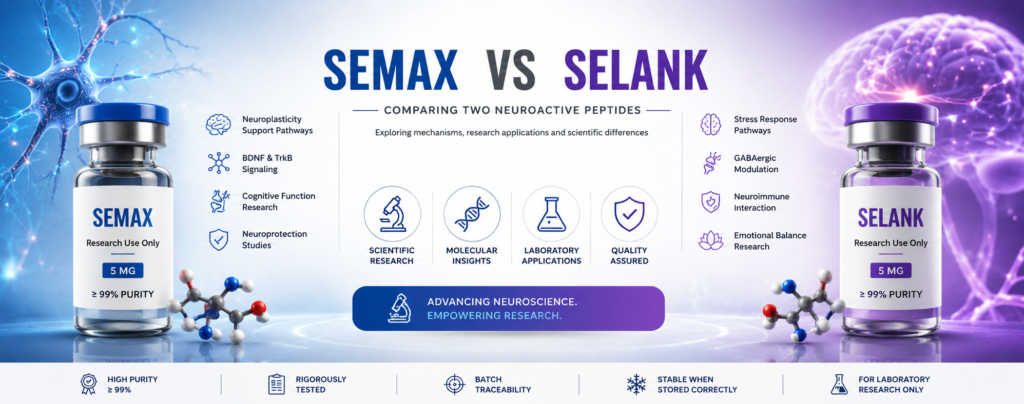
Neurotrophin signalling, cognition science and peptide-based investigations.
Longevity Science
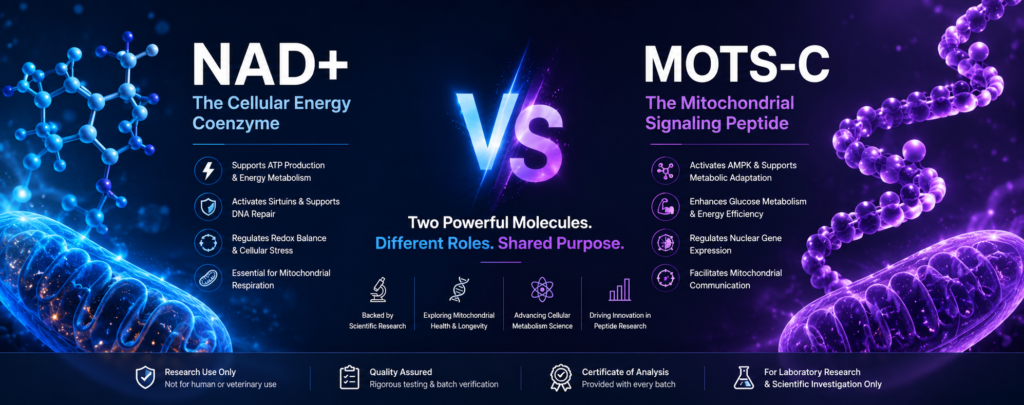
Epitalon, MOTS-c, mitochondrial health and cellular senescence studies.
Growth Hormone Research
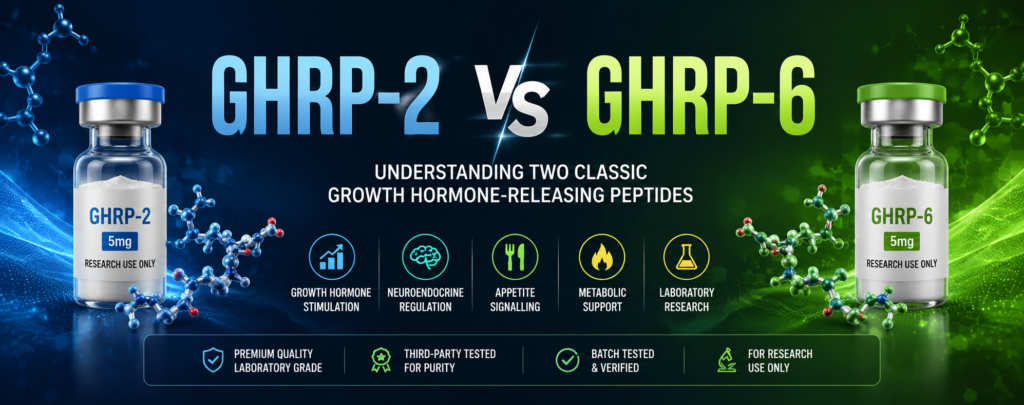
GHRH analogues, secretagogues and endocrine signalling science.
Laboratory Guides
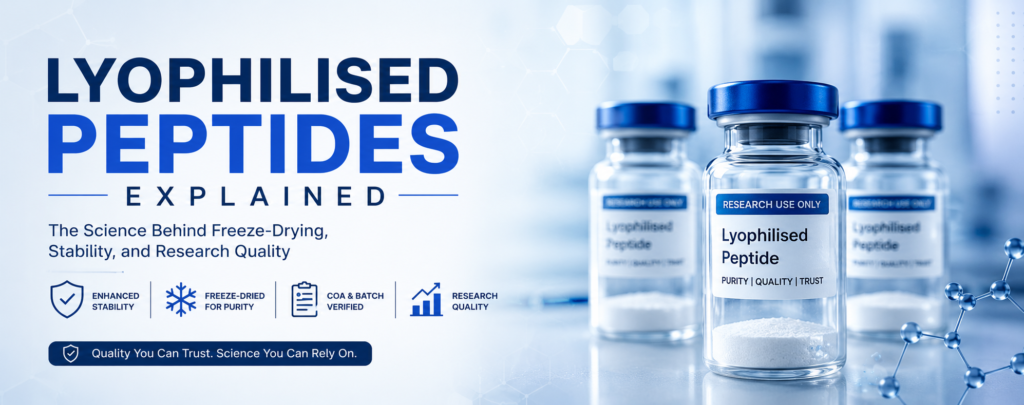
Storage, handling and peptide reconstitution best practices.
Research Updates
Scientific developments, studies and industry news from the peptide sector.
Latest Research Articles
Discover the latest educational content published by the PeptidesX research team.
The role of peptides in today’s biological and pharmacological science has gained immense importance. These compounds are used by scientists for research…
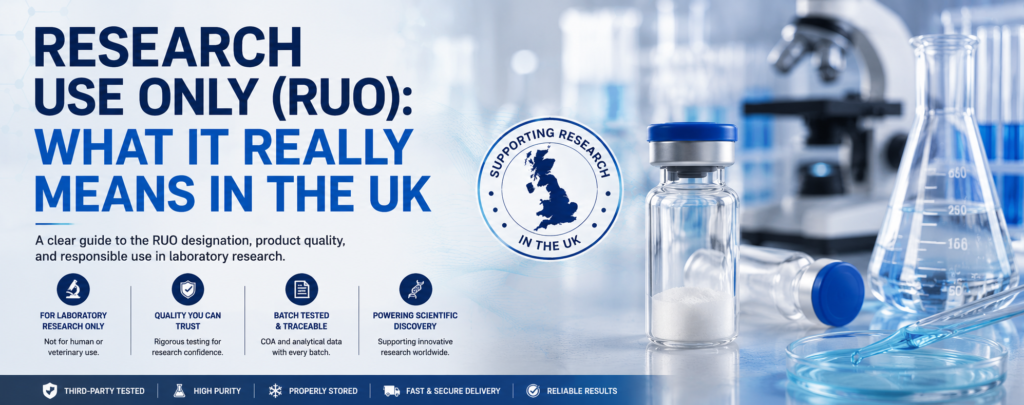
There are various products marked Research Use Only (RUO) available on the market – laboratory reagents, analytical chemicals, antibodies, test kits and…
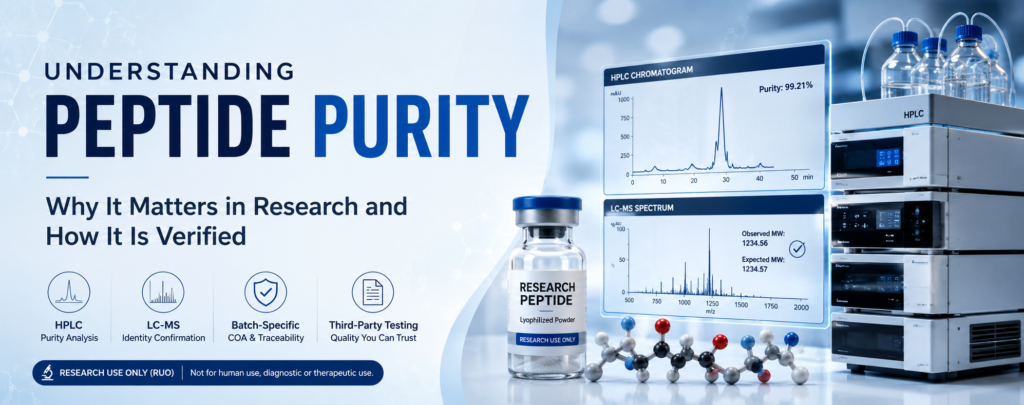
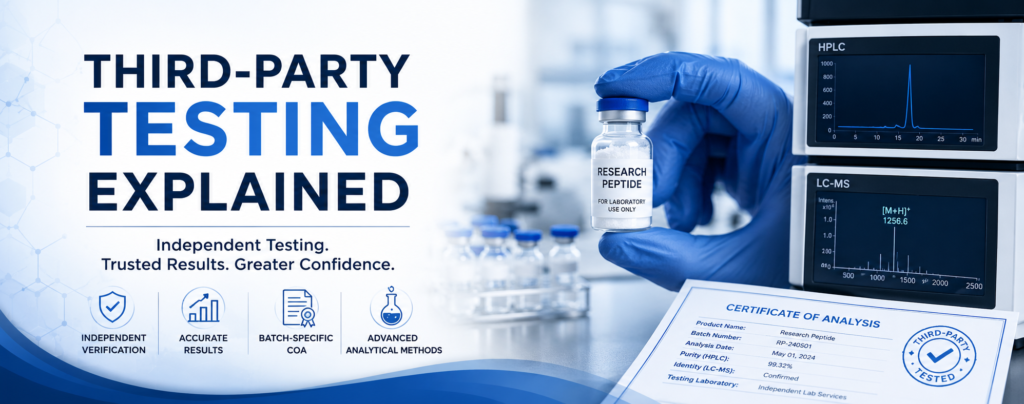
Introduction Quality verification is a critical component of peptide research. Whether a peptide is used for analytical, biochemical or laboratory testing, scientists…
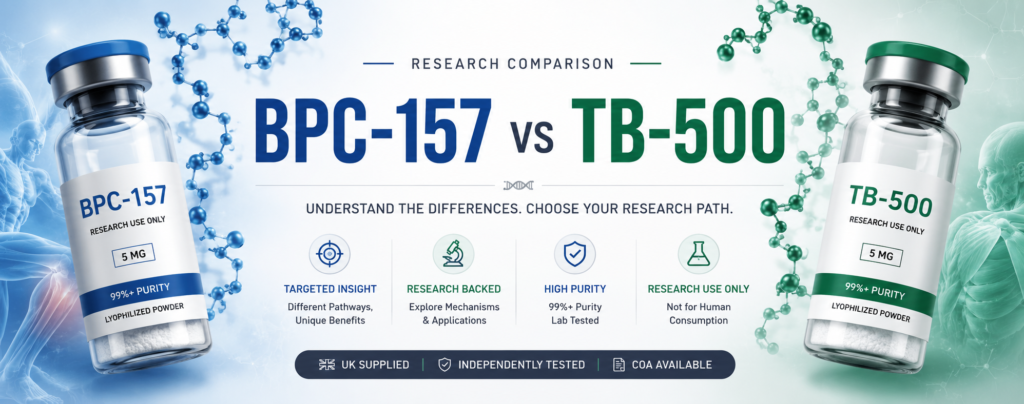
The BPC-157 and TB-500 peptides are two peptides that are constantly mentioned when talking about tissue repair and regenerative medicine research, and…
Any information shared on the PeptidesX blog is intended solely
for educational and informational purposes. Nothing on this
website should be interpreted as medical advice, dosage guidance,
or recommendations for human or animal use.
All products available from PeptidesX are supplied strictly for
in vitro laboratory research purposes only and are not intended
for human consumption.